
Marrakech
After two weeks of festivities and fun in the Canary Islands, we hopped on a plane for a quick 1½-hour flight to Marrakech. We must admit we weren’t quite sure what to expect. Would we be able to navigate the city? Would we be able to communicate and fall into the rhythm of daily life? We began to find out shortly after landing, when we took a taxi to our apartment in the heart of the old city.
One of the first things we learned was that Google Maps isn’t always reliable in Marrakech. We had the address of our apartment, but it didn’t lead us to the right place. We quickly discovered it was often easier to search by the name of a place rather than by street address. Google Maps also lacks “Street View” in much of the city, and directions can sometimes lead you down the wrong alley. It took a little time to get our bearings and feel comfortable moving around, but getting turned around occasionally became part of the adventure.
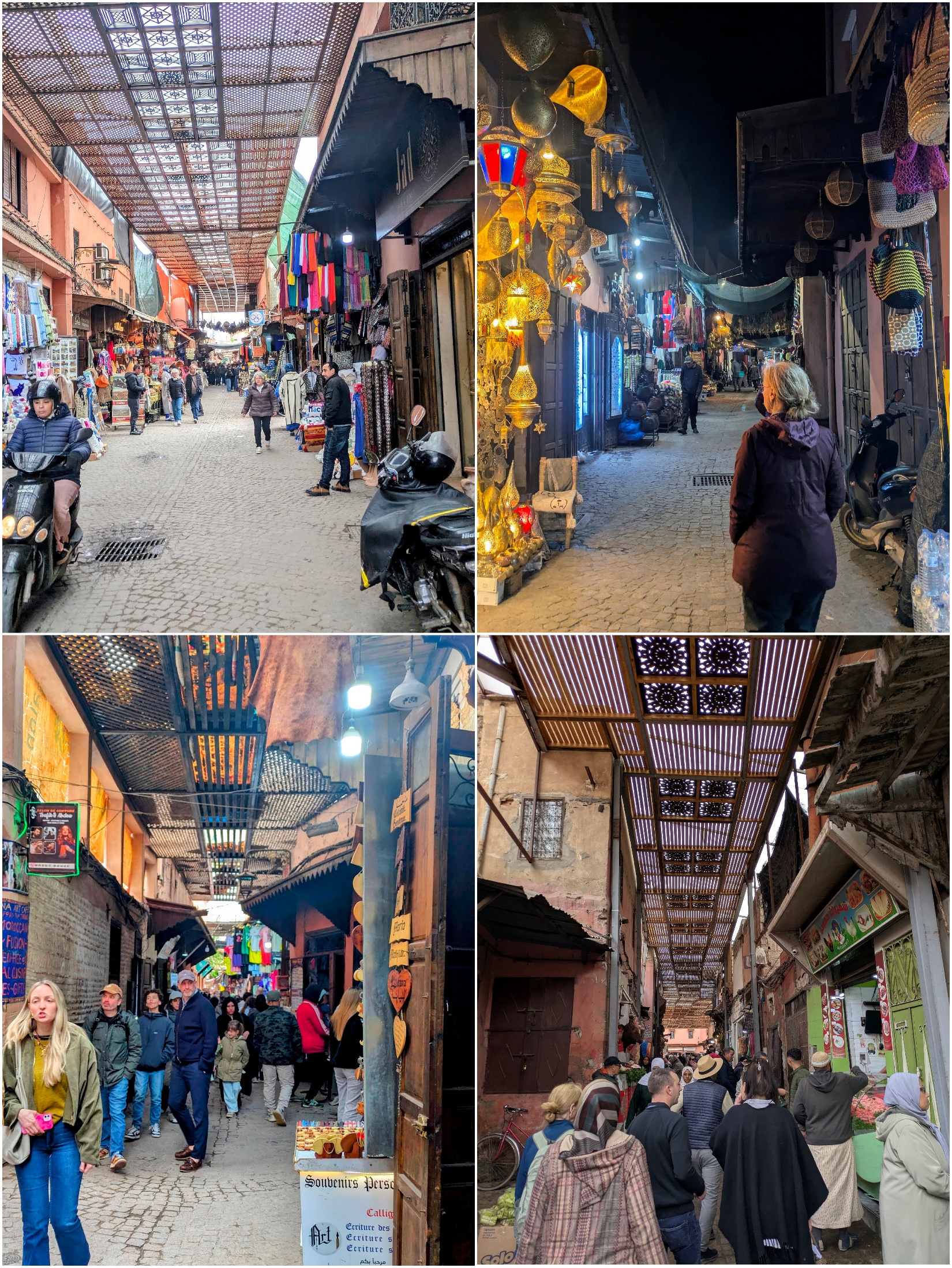
Marrakech is one of Morocco’s most vibrant and historic cities, known for its ancient medina (the historic walled city) and the colorful souks (markets) that wind through it. These traditional market streets are lined with small shops selling everything from spices and ceramics to leather goods and lanterns. At the center of it all is Jemaa el-Fnaa, the city’s famous main square, where street performers, musicians, storytellers, and food stalls fill the space from afternoon until late at night. Our apartment was located less than a block from this lively square.

Each time we stepped outside, we were immediately surrounded by narrow lanes filled with shops, small cafés, and market stalls. Motorcycles zipped through the tight passageways, weaving around pedestrians as everyone navigated the crowded streets together. At first, it felt chaotic, but before long, we began to see that the city moves with its own rhythm, one that simply requires patience and awareness.
Tourism in the Medina
Tourism plays a major role in the economy of the medina. While many locals still live within its walls, many businesses depend on visitors. Morocco receives roughly 13–14 million tourists each year, and Marrakech is the country’s most visited destination.
Throughout the medina, simple doorways often hide beautifully restored riad (courtyard house) and boutique hotels. Restaurants and rooftop cafés overlook the busy streets below, while the souks are packed with merchants selling handmade carpets, leather bags, spices, lanterns, pottery, and countless other crafts.
Jemaa el-Fnaa captures the lively spirit of the city better than anywhere else. During our visits to the square, we saw musicians performing for crowds, snake charmers handling real cobras, traditional water sellers dressed in colorful costumes, and vendors selling almost anything imaginable. The square feels part marketplace and part street theater, creating an atmosphere that is constantly alive with activity.

The medina is a place that engages all the senses. The air is filled with the aromas of spices, grilled meats, and fresh bread. From the mosques, the call to prayer echoes across the rooftops 5 times a day, drifting through the narrow streets and blending with the sounds of shopkeepers calling out to customers, the rumble of passing motorbikes, and the steady hum of conversation. At times it feels overwhelming, but before long, these sights, sounds, and smells become part of the rhythm of daily life in Marrakech.
Much of our time in Marrakech was spent simply wandering through the medina. Around nearly every corner, we discovered something new, a shop overflowing with colorful goods, a tiny restaurant tucked into an alleyway, or a small souk filled with people going about their day. The streets seemed to draw us deeper into the city, always inviting us to see what might be waiting just around the next turn.
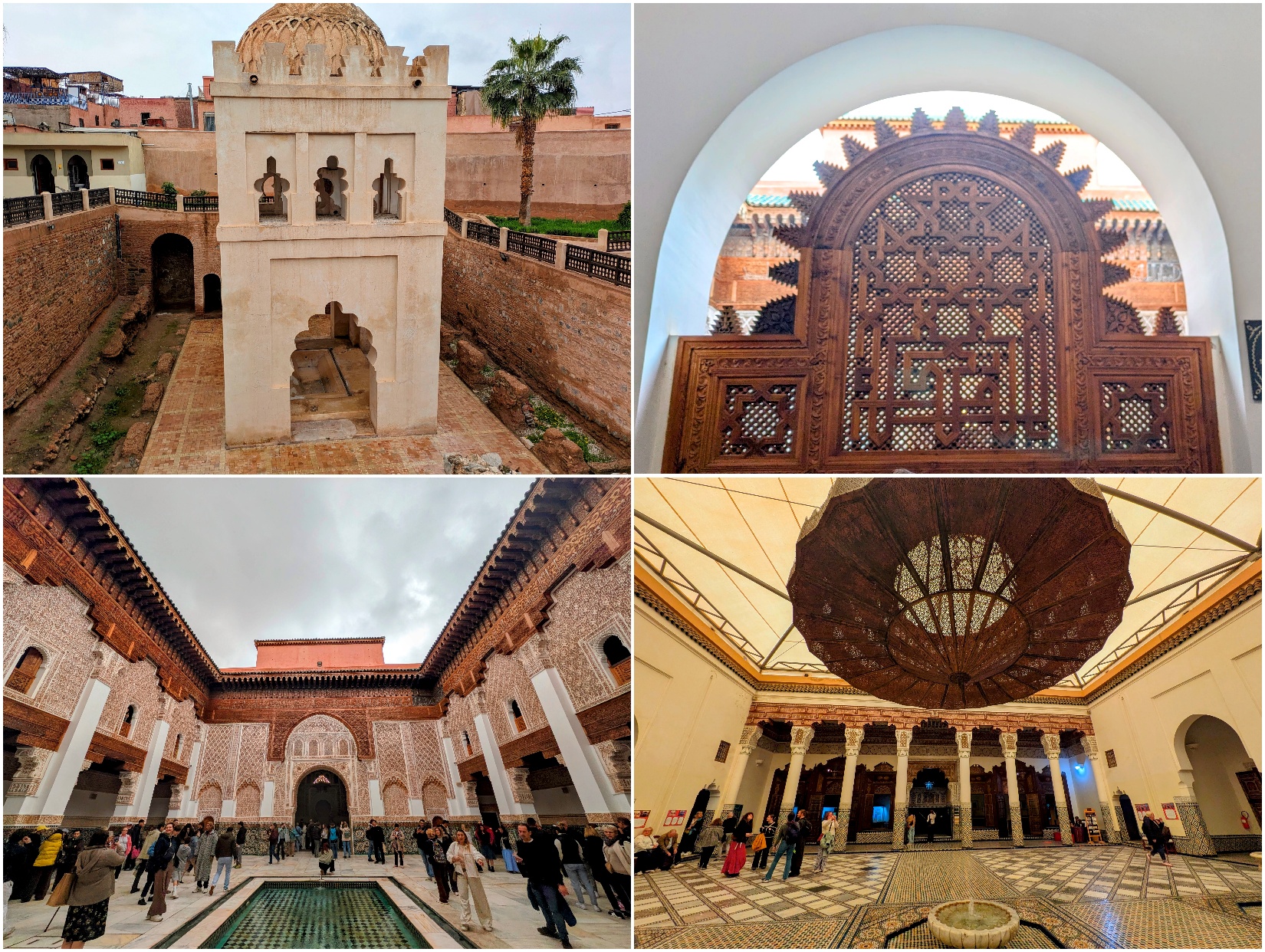
We visited several museums and palaces, but what fascinated us most was the architecture. The buildings are filled with beautiful, intricate designs, carved wood, detailed tilework, and elaborate plaster patterns, craftsmanship that has been perfected over centuries.
Cooking
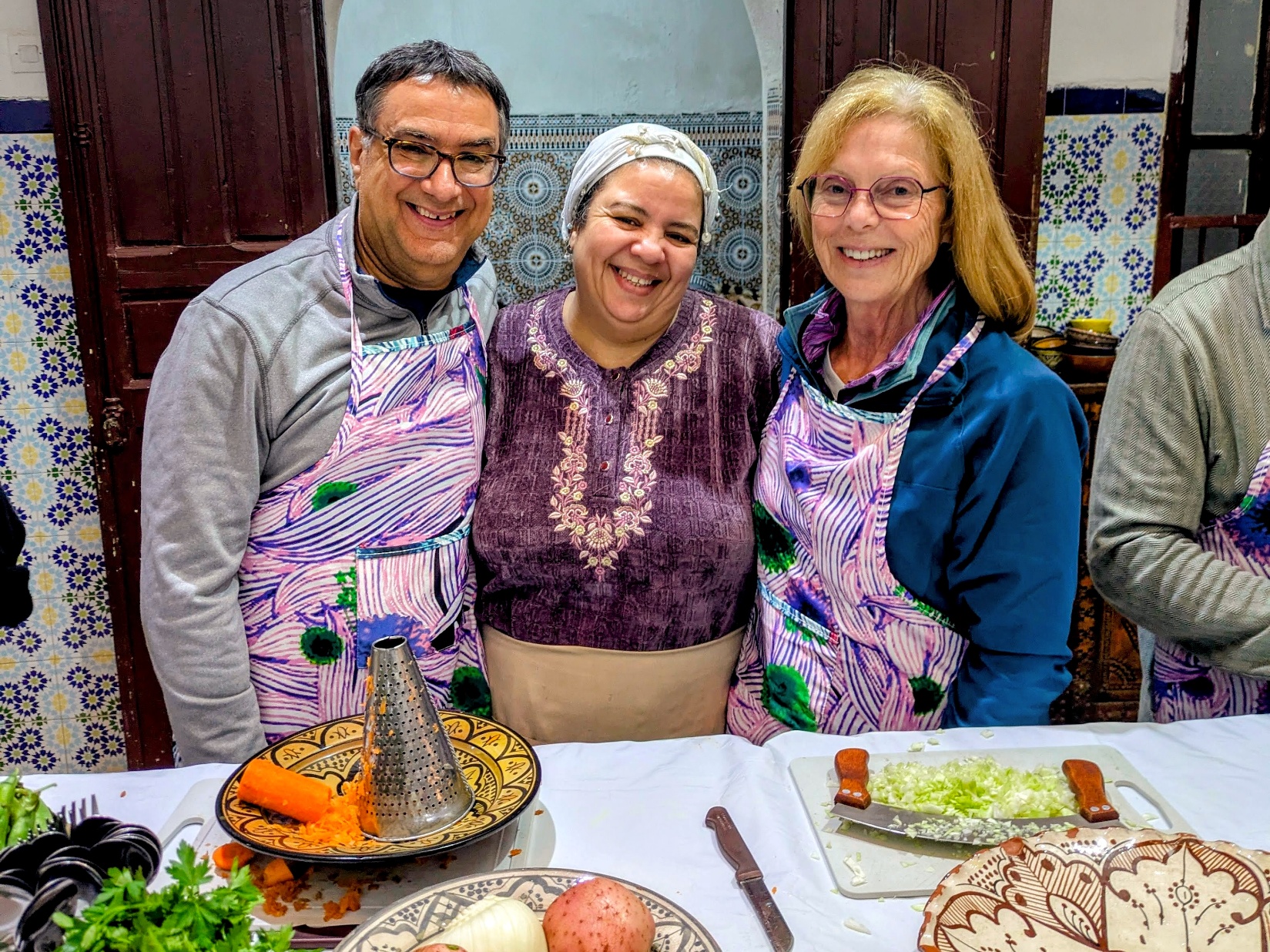
One activity we try to include whenever we visit a new country is a cooking class. It’s one of the best ways to learn about a country’s cuisine and to understand a little more about its food culture. Just as enjoyable is meeting other travelers from around the world who share the same curiosity about food and cooking.
In Marrakech, we had a wonderful chef who, along with her daughter, guided us through preparing several traditional Moroccan dishes. After all the cutting, chopping, slicing, and mixing, we finally sat down together to enjoy the meal we had prepared. It was a great experience, and we’re excited to try making these dishes again once we return home.

The Tannery
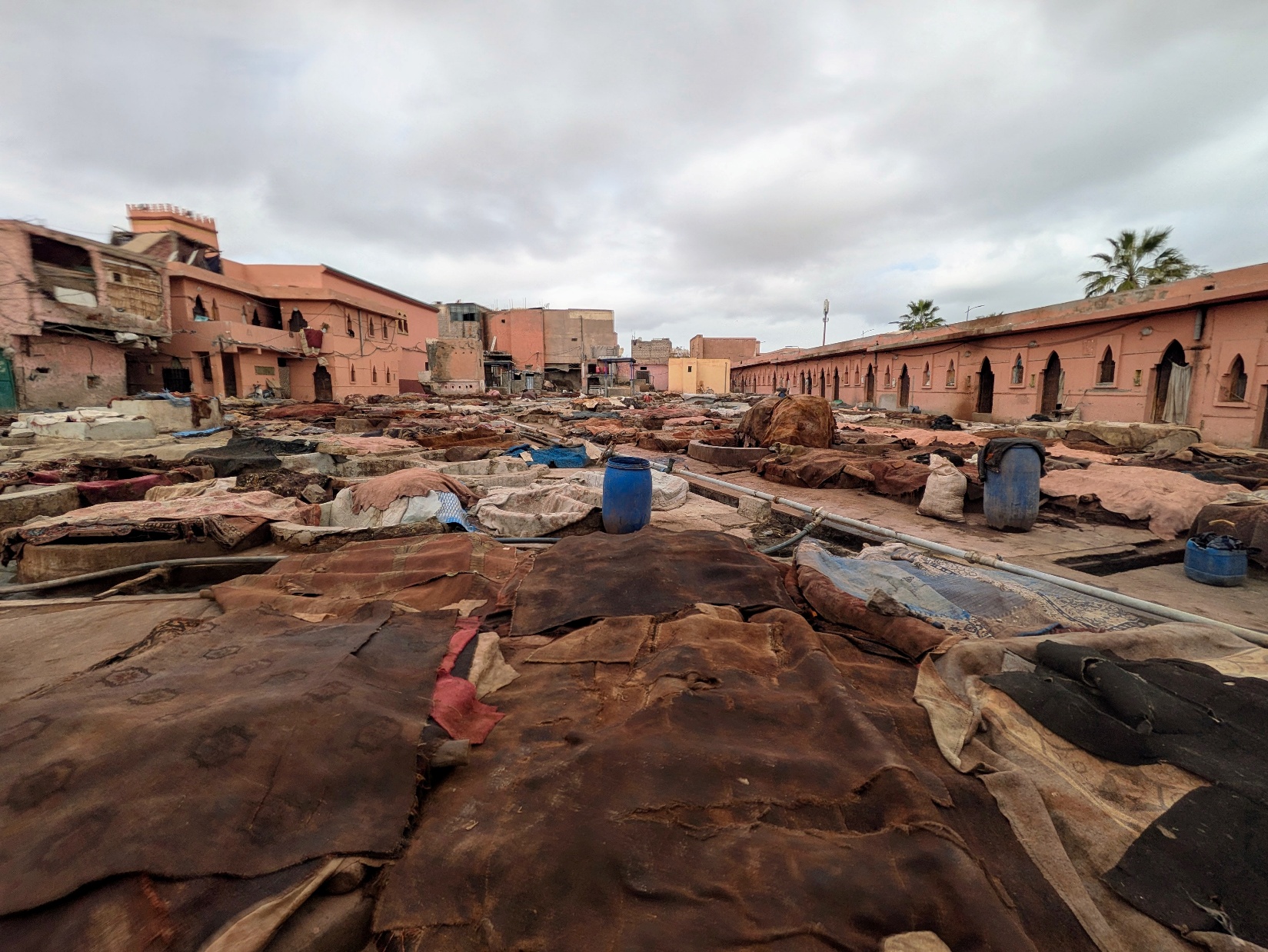
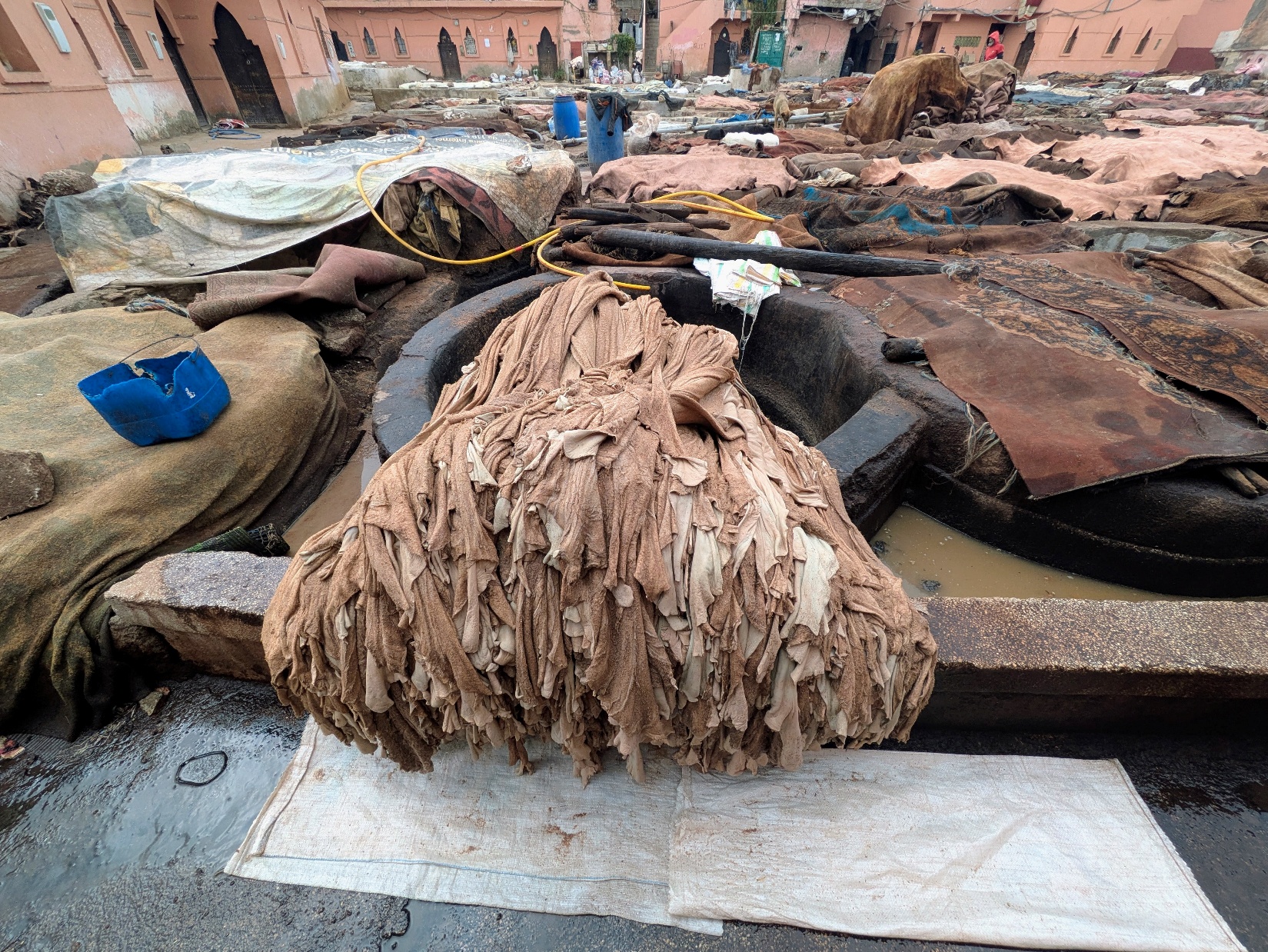
The tannery in Marrakech was one of the more fascinating places we visited in the medina. We saw dozens of stone vats (kassriates) filled with dyes and liquids where workers were treating animal hides much the same way it has been done for centuries. The smell was strong (so strong that visitors are offered sprigs of mint to hold under their noses), but watching the process was incredible. Workers moved from pit to pit, soaking, dyeing, and softening the leather by hand before laying the hides out to dry in the sun. It was messy, colorful, and surprisingly mesmerizing, offering a glimpse into one of Marrakech’s oldest traditional crafts.
Outside the Wall
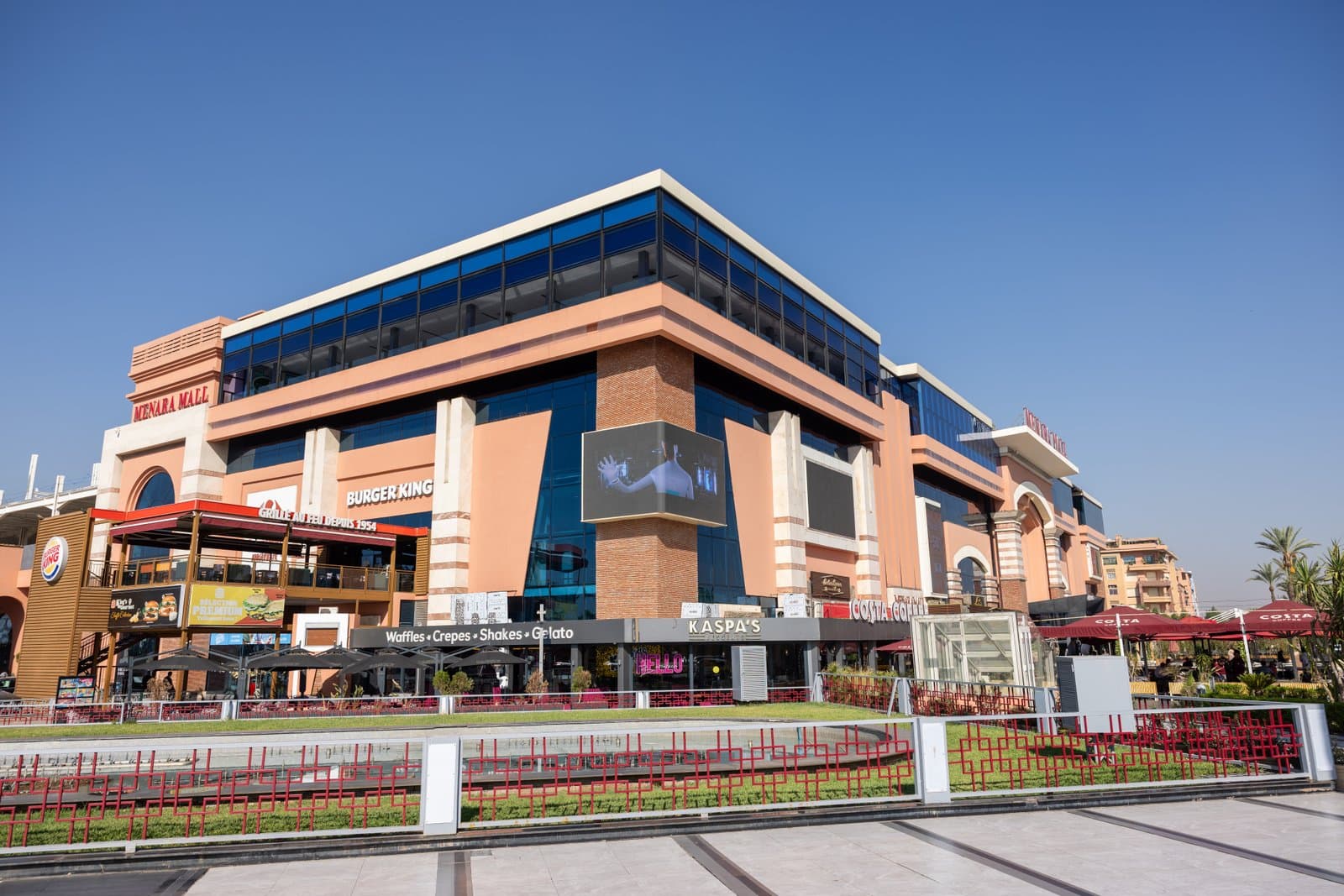
While we spent most of our time inside the medina, we ventured beyond the city walls several times. Outside the historic center, Marrakech felt much like any modern metropolitan area. The city has all the infrastructure and conveniences you would expect, grocery stores, shopping malls, modern transit systems, office buildings, schools, and neighborhoods with parks and plazas.
We were pleasantly surprised by how clean and organized the city is. Getting around was straightforward, and navigating the streets outside the medina was easy compared to the maze-like alleys of the old city. It provided a nice contrast to the energy and intensity of life inside the medina.
Time to Move On
Even though we only spent a week in Marrakech, it felt like we truly got to know the city and settle into its rhythm. Each day brought something different, new streets to wander, new sounds, new smells, and new surprises. One of the things we enjoyed most about this part of the trip was that we didn’t have a strict itinerary after Marrakech. Instead, we simply allowed the journey to unfold as we went.
At first, we thought about heading south toward the desert. Spending a night in the Sahara under the stars sounded incredible. But the weather has been unusually cold lately, with nighttime temperatures dropping into the mid-40s. Since we didn’t pack for cooler conditions, the idea of trying to stay warm in a desert tent didn’t seem like the best plan.
So instead, we decided to head north. Our next stop will be Rabat, Morocco’s capital and one of the country’s largest cities. From there, we plan to continue on to Fez, which is famous for having an even larger and more traditional medina than Marrakech, but with fewer tourists. Eventually, we’ll make our way back to Casablanca before heading home.
Marrakech was an adventure we will never forget. The colors, the energy, the maze of the medina, and the constant sense of discovery made it a place that will always stay with us.