
Out Into The Valley
The city of Oaxaca sits in the Valles Centrales (Central Valleys), a region made up of hundreds of towns and villages. Many of these communities are predominantly Zapotec-speaking and are known for a particular craft, food tradition, market, or festival that has been passed down through generations. A lot of these villages are easy day trips from Oaxaca City.
One of our goals during our time in Oaxaca was to explore some of these communities and learn about the traditions that make each one unique. Since we do not have a car, figuring out how to get there became part of the adventure. There are several transportation options. You can take a tour bus, hire a driver for the day, take a taxi, or in some cases use a city bus route. However, we were advised that the best option for us was the colectivo system.
Colectivos are shared taxis that travel to specific towns and villages throughout the valleys. They are inexpensive and easy to use once you understand how the system works. You cannot simply flag one down on the street. Instead, each destination has its own designated pickup location in the city. The vehicles are marked with the name of the community they serve. You hop in, wait for a few more passengers, and then you’re on your way. In our experience, the wait was usually very short, and often there was no wait at all.
We also learned that colectivos do not always take you directly into the center of town. Often, they drop passengers along the highway or main road near the community. From there, a mototaxi provides the final connection to the village center. Returning to Oaxaca is simply the reverse process: take a mototaxi back to the highway, catch a colectivo to the city, and then walk or take a taxi or bus to your final destination.

The system was intimidating at first, but after a few trips we found it to be an affordable, efficient, and authentic way to explore the communities around Oaxaca City.
Teotitlán del Valle (At the Foot of the Mountain)
Teotitlán del Valle is known for its wool tapestries, which are recognized around the world for their craftsmanship, originality, and quality. These artistic traditions are passed down through generations within family workshops, many of which operate from the artisans’ homes. Children often begin learning the various stages of production at an early age, from preparing wool and mixing dyes to weaving and candle carving. For many families, these crafts are not only a source of income but also a way of preserving their cultural identity and expressing their creativity, emotions, and worldview.
Teotitlán’s textile tradition has roots that extend back to pre-Hispanic times when Zapotec weavers used backstrap looms to create cotton cloth. Historical records indicate that textiles were produced here long before the arrival of the Spanish. During the sixteenth century, Dominican friars introduced sheep, wool, spinning wheels, and the horizontal treadle loom. These innovations transformed local textile production and laid the foundation for the wool rugs and tapestries for which the village is now famous.
Upon arriving in town, we quickly discovered that textile workshops were everywhere. While the exact number is unknown, it is estimated that more than 150 families are involved in the textile industry.
Having visited weaving communities in countries such as Peru and Ecuador, we found that the basic weaving process is very similar. So how do you choose which workshop to visit?
As it turned out, the choice was easy. We shared our mototaxi ride into town with a local woman named Maria, who owns a small textile workshop. She invited us to visit her shop, which is also her family home. There, we met her son, Jose, and together they guided us through the entire textile-making process.
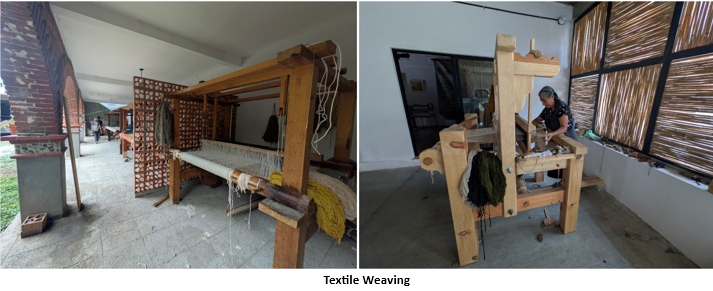
From washing, drying, and spinning the wool, to creating vibrant dyes from natural materials, and finally weaving intricate designs on traditional horizontal treadle looms. Every step reflected centuries of craftsmanship and Zapotec tradition. Their family has been producing textiles for more than four generations, and Jose is dedicated to carrying on the legacy.
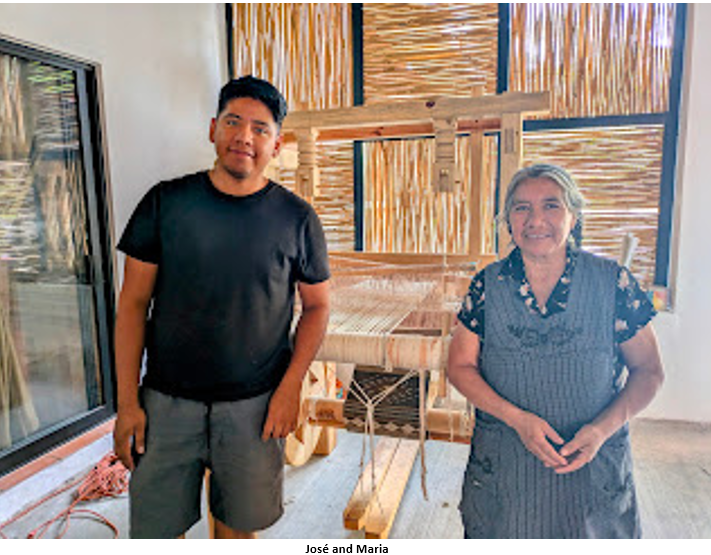
Watching them work gave us a deeper appreciation for the skill, patience, and artistry that transform wool into beautiful tapestries for which Teotitlán del Valle is known for around the world.
Reyes Etla
Located just a half-hour drive northwest of Oaxaca City, Reyes Etla is a small community in the Etla Valley known for its strong agricultural traditions and artisanal food production. The valley has long been an important farming region. Today, visitors are often drawn to Reyes Etla for its traditional dairies and the production of quesillo, Oaxaca’s famous string cheese.
Before going to Reyes Etla, we contacted Rosita López Quesería to arrange a demonstration of the quesillo-making process. When we arrived mid-morning, Rosita warmly welcomed us into her home, which also serves as the family’s cheese production facility.
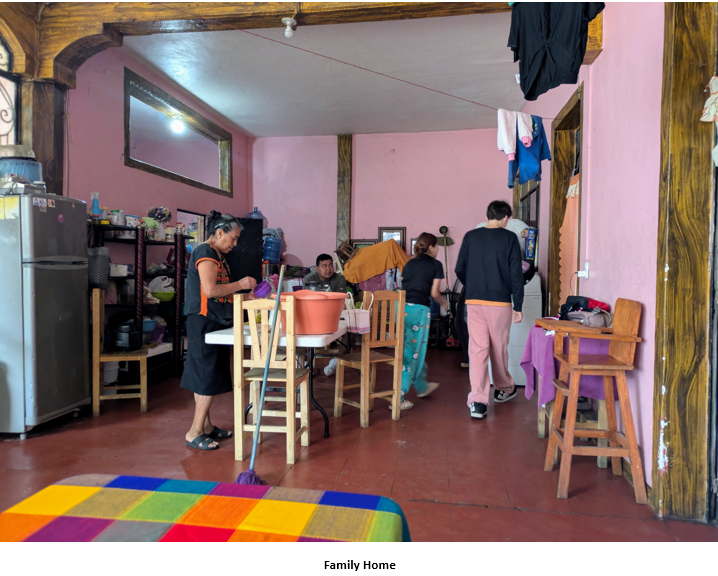
As we sampled several varieties of cheese, we learned more about the family behind the operation. The business is run by Rosita, the grandmother and family matriarch. Four generations live and work together under the same roof, including Rosita’s daughter, eight grandchildren, and eight great-grandchildren. Many family members help with different aspects of the business, continuing a tradition that has been passed down through the generations.
After enjoying more cheese than we probably should have, we headed behind the house to see the production area. The process itself is fairly simple, but producing high-quality quesillo requires experience, timing, and a skilled touch.
Quesillo begins with fresh cow milk. The milk is heated and mixed with a starter culture, causing it to curdle and separate into curds and whey. The curds are then left to develop into a wheel of cheese over about 12 hours, often overnight. The cheese is broken apart by hand into smaller curds before hot water is added to soften them.
Once softened, the cheese is kneaded and stretched, much like mozzarella. The strands are then wound into large balls and cooled. This stretching process gives quesillo its smooth texture and allows it to be pulled apart into thin, stringy pieces. The result is a mild, creamy cheese that is a staple of Oaxacan cuisine.

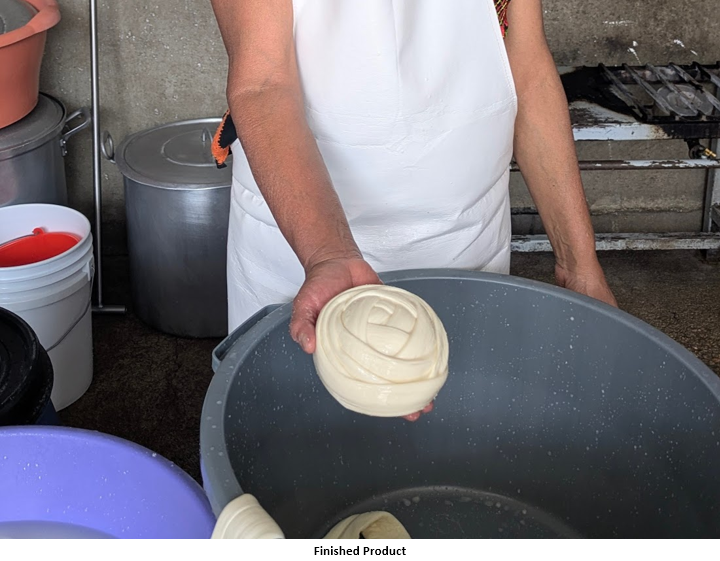
Every afternoon, the mother and daughter sell their cheese at a market in Oaxaca, and they always sell out. This entire operation is repeated every day, 7 days a week.
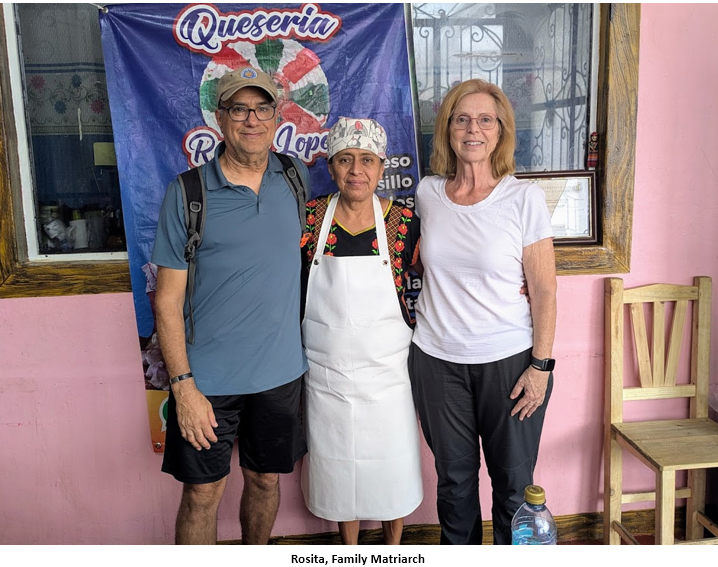
Watching Rosita and her family work together was a reminder that some of Oaxaca’s most cherished traditions are still being preserved in family homes, where knowledge, skills, and recipes continue to be passed from one generation to the next.
Workshops in Oaxaca
One of the things we enjoyed most about exploring Oaxaca was wandering into the city’s many artisan workshops. Around almost every corner, there are talented craftspeople keeping traditional skills alive. We only visited a handful, but each one offered a glimpse into Oaxaca’s rich artistic heritage.
Chocolatería (Chocolate Shop)
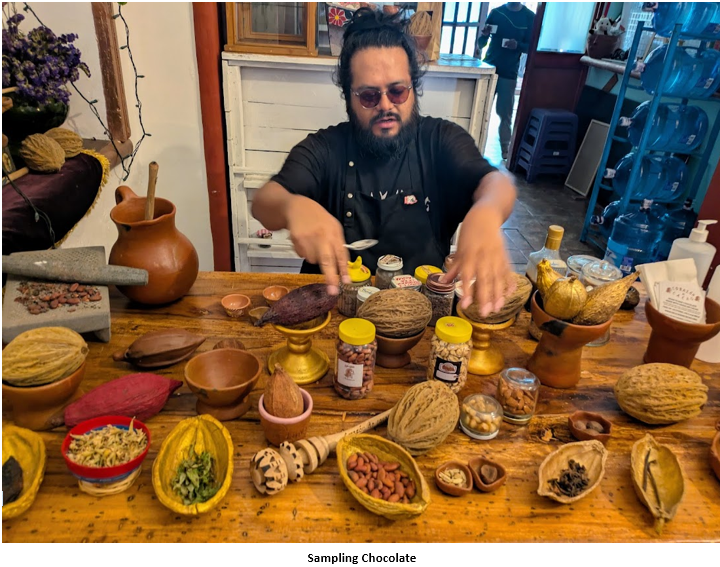
We found a small family-run chocolate shop operated by a brother and sister who make all of their chocolate by hand. While visiting, we had the opportunity to try Tejate, a pre-Hispanic Zapotec drink that remains one of Oaxaca’s most beloved traditional beverages.
Tejate is made from four simple ingredients: cacao beans, maize (corn), mamey seed, and flor de cacao (the flower of the cacao tree). These ingredients are ground into a fine paste, mixed with water, and served cold. The drink naturally forms a distinctive foamy layer on top and is often referred to as the “Drink of the Gods.” Its earthy, slightly nutty flavor is unlike anything we had tasted before.

Of course, our visit would not be complete without sampling the chocolate. We tasted several varieties made from different cacao beans, each blended with unique ingredients that created their own distinctive flavors. It was a delicious way to experience another important part of Oaxaca’s culinary traditions.
Taller de hojalata (Tinwork Workshop)
Another workshop that we enjoyed was a small artisan tin shop. The craftsmanship was remarkable. Using little more than sheets of tin, hand tools, and solder, the artisans transformed ordinary metal into beautiful decorative pieces.
What amazed us most was watching them create two delicate hummingbirds in just a few minutes. With a few precise cuts, bends, and precision hammering, the birds seemed to come to life right before our eyes. Seeing the skill and speed with which they worked gave us an appreciation for the artistry behind these handcrafted pieces.

Visiting these operations and small workshops reminded us that Oaxaca’s greatest treasures aren’t just found in museums or historic buildings, they’re found in people who continue to practice centuries-old traditions. Taking the time to meet the artisans, hear their stories, and watch them create their work made us appreciate not only the finished products but also the passion, patience, and craftsmanship behind them. It’s an experience we’ll remember long after we’ve left Oaxaca.