
What We Learn from Taking Foreign Cooking Classes
A Special Blog Post
Next week, we are heading to Mexico for 4 weeks to escape the summer heat and humidity of Florida. We will visit several towns in the central mountain highlands to explore, hike, and enjoy local customs and cuisine.
One of the activities we always plan as part of our travels is to take a cooking class. This trip will be no exception. During our planning, we asked what we wanted to learn from a class, and, so in this blog post, we explore that question.
What We Learn from Taking Foreign Cooking Classes
Traveling abroad has opened our eyes to new landscapes, cultures, and lifestyles, but one of the most enriching ways to understand a culture is through its food. Restaurants offer a taste of local cuisine, but participating in a cooking class provides a glimpse into tradition and community. These classes don’t just teach technique; they are cultural exchanges showing us how people live, celebrate, and connect.
Discovering Culture In the Kitchen
Cooking shows us a country’s way of life. For example, in Mexico, when making mole, we learn about a typical salsa that combines chilies, nuts, spices, and sometimes chocolate. In Argentina, preparing locro (a hearty, thick stew traditionally found in the Andes region of South America) taught us about communal dining and family ties. We observe how geography influences cuisine, how spices were introduced through trade routes, how rice and corn became staples, and how religion shaped dietary practices (for instance, maize, potatoes, and quinoa are sacred to Indigenous beliefs, while Catholics abstain from eating fish on Fridays).

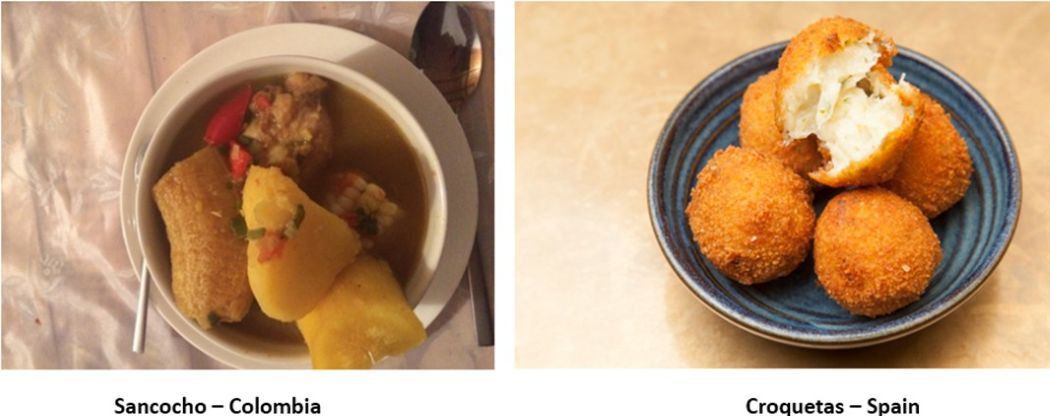
Cooking also helps us understand the rhythms of a culture. In Colombia, the hours-long preparation of sancocho (a hearty, meat and vegetable stew popular throughout Latin America) reflects a national appreciation for time spent with loved ones and taking pleasure in the present moment. In contrast, croquetas (a ball of deep-fried chopped meat, fish, or vegetables) from Spain highlights the fast-paced city life in Madrid and Barcelona. Each style of cooking shows how people view time, family, and nourishment.
Food as Tradition
Recipes are traditions passed down through generations. In a cooking class, we learn why the chef makes a special dish and how it came to be. Often, the instructor shares family recipes that are not written down in any book. These dishes have been preserved through repetition and storytelling, and as we learn to prepare a dish, we are invited into that tradition.
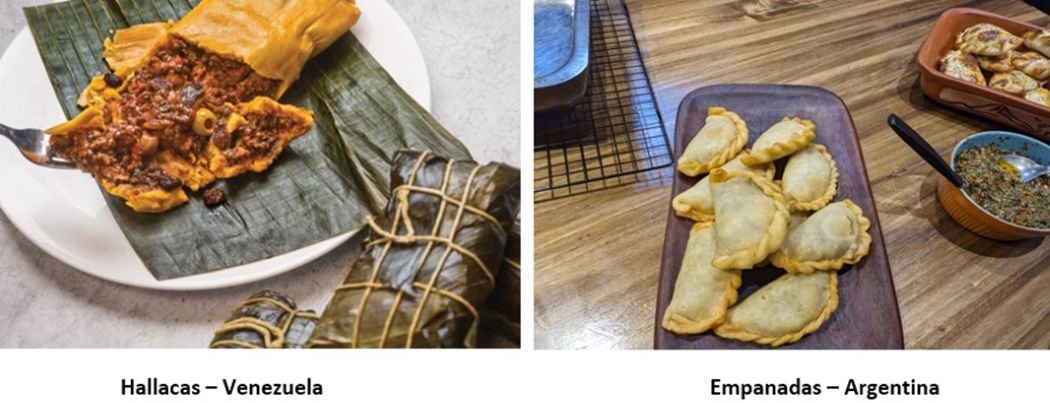
Cooking classes reveal how celebrations shape cuisine. A Venezuelan class could center on hallaca (corn dough empanadas filled with meat, olives, capers, raisins, wrapped in banana leaves and steamed), which is typically made during Christmas, while an Argentinian cooking class features empanadas (fried turnovers of pastry and a filling).
We also learn about resourcefulness and sustainability. In rural areas of Peru, cooking classes teach travelers how to cook with every part of an ingredient, wasting nothing, a reminder of how closely many cultures stay connected to the land and ancestral ways of living.
A Glimpse into Daily Life
One of the most enriching aspects of a class is the opportunity to see how food shapes family life. Many of the classes we took were in the chefs’ homes. This experience gave us a more authentic view of family life than any tour or museum.
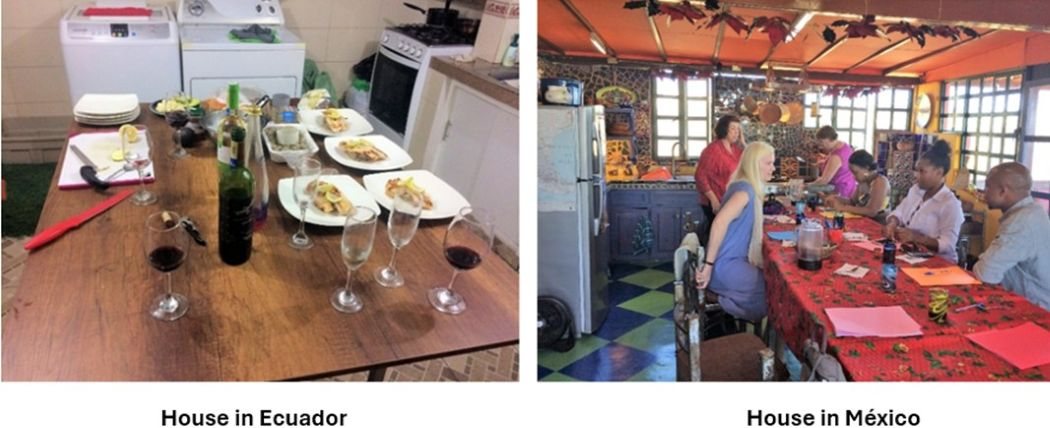
In some cultures, cooking is a family activity, involving two generations, while in others it is the responsibility of the mother. We watch how the table is set, the way people give thanks before eating, and how food is served.

Building Connections and Lasting Memories
Cooking classes allow us to connect with fellow travelers. Rolling dough, grinding spices, or stirring a pot alongside fellow travelers turns strangers into friends, even if only for an afternoon.

By learning to cook a dish, we carry a part of the culture home with us. A recipe is something we can recreate at home while remembering our trip.
In a time when cultural understanding is more important than ever, these classes remind us that food is one of the most powerful ways to bring people together.
2 thoughts on “What We Learn from Taking Foreign Cooking Classes”
This was really interesting. Thank you, Marc and Kathy!!
Buen provecho! Enjoy Mexico